
Have you ever felt like your mind is running on fumes? Like even the simplest tasks require a herculean effort? If so, you’re not alone. Mental exhaustion, a state of extreme tiredness that goes beyond physical fatigue, is becoming increasingly common.
In today’s fast-paced world, mental exhaustion has become increasingly prevalent, impacting individuals from all walks of life. The demands of modern living, coupled with the ever-present digital age, have contributed to a surge in mental fatigue. As we navigate through our daily routines, it’s crucial to recognize the signs of mental exhaustion and understand its potential effects on our overall well-being.
Recognising the Signs of Mental Exhaustion
Mental exhaustion manifests in various ways, often beginning with subtle signs that may go unnoticed. Persistent feelings of fatigue, difficulty concentrating, and a sense of being emotionally drained are common indicators of mental fatigue. Additionally, increased irritability, reduced productivity, and physical symptoms such as headaches and muscle tension can signal a state of mental exhaustion. It’s essential to pay heed to these warning signs and take proactive measures to address them.
Mental Exhaustion: The Impact on Your Well-being
The consequences of unaddressed mental exhaustion can permeate every aspect of one’s life. From strained relationships to diminished work performance, the effects of mental fatigue can be far-reaching. Prolonged mental exhaustion may lead to increased susceptibility to anxiety and depression, as well as a compromised immune system. It’s crucial to acknowledge the significance of mental well-being and take steps to safeguard it.
Taking Back Control: Recharge Your Inner Battery
The good news is that mental exhaustion doesn’t have to become your reality. By adopting some simple self-care practices, you can reclaim your energy and mental well-being. Here are a few tips to get you started:
- Prioritise Sleep: Aim for 7-8 hours of quality sleep each night. Create a relaxing bedtime routine and establish a consistent sleep schedule.
- Disconnect to Reconnect: Schedule regular digital detoxes. Take breaks from social media and emails to allow your brain to truly rest.
- Nurture Your Connections: Strong social connections are essential for emotional well-being. Spend time with loved ones, engage in activities you enjoy, and build a support network.
- Mindful Rest: Allocate time for rest and relaxation, engaging in activities that rejuvenate your mind and spirit.
- Balanced Nutrition: Maintain a nourishing diet, rich in essential nutrients, to support your body’s resilience against stress.
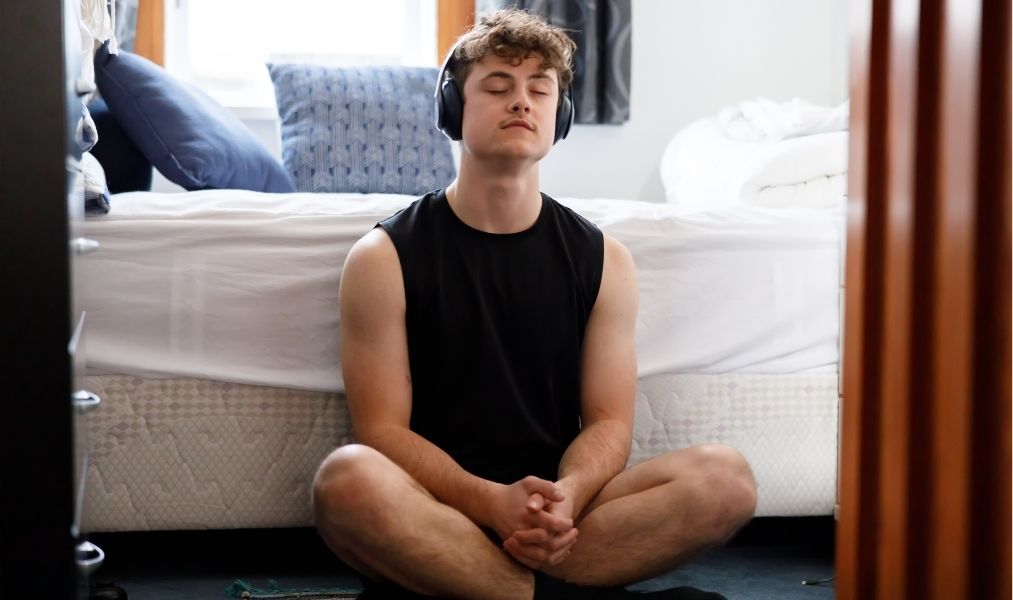
- Stress-Relief Techniques: Explore stress-relief practices such as meditation, yoga, or deep breathing exercises to cultivate a sense of calm.
- Physical Activity: Regular exercise not only enhances physical well-being but also contributes to mental vitality.
- Seeking Support: Don’t hesitate to reach out to trusted individuals or mental health professionals for guidance and support.